
Herbs and what you should know about them
-
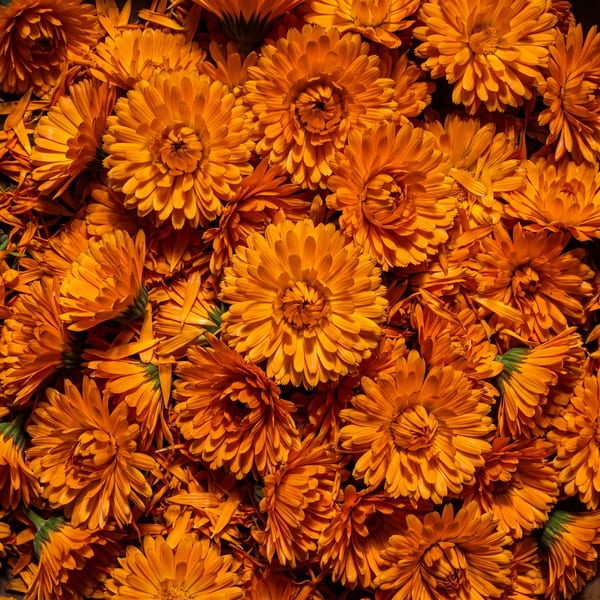
Calendula
Calendula officinalis
The golden-yellow classic of monastery gardens: even medieval herbals listed it as a plant for the skin. Its flowers are rich in flavonoids.
-
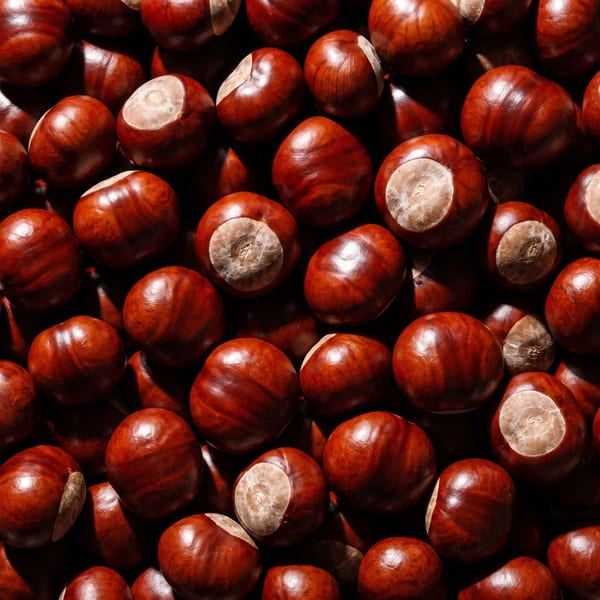
Horse chestnut
Aesculus hippocastanum
The giant of city avenues has more to offer than shade: the best-known component of its fruit is aescin, a classic among plant extracts.
-
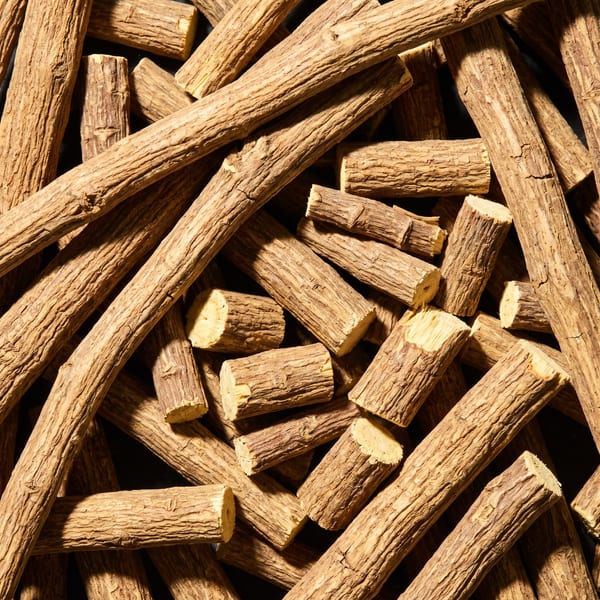
Liquorice root
Glycyrrhiza glabra
It was valued everywhere from ancient Egypt to China; its root contains glycyrrhizin, which is fifty times sweeter than sugar.
-
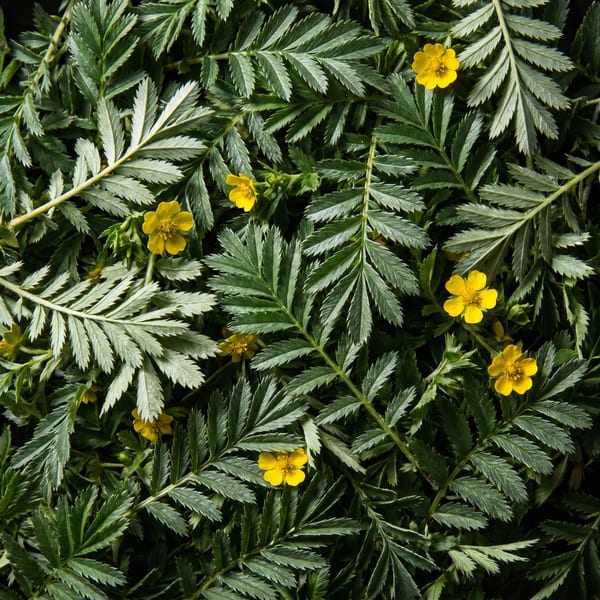
Silverweed
Potentilla anserina
Its Latin name, potentilla, means “little power”; folk tradition has known this modest, yellow-flowered meadow plant for centuries.
-
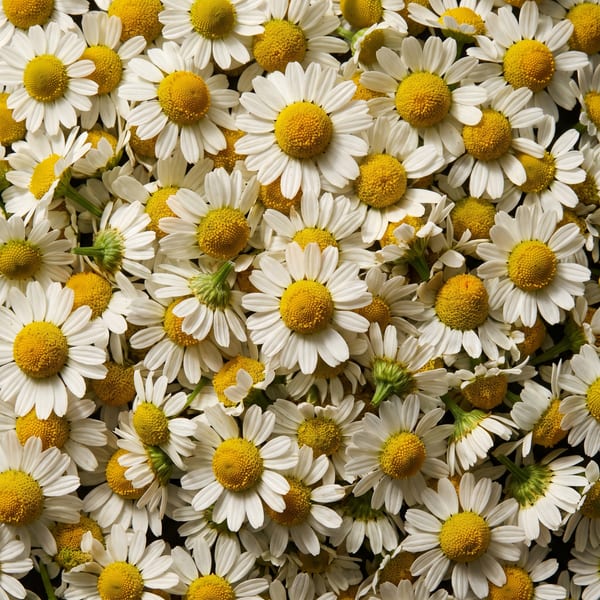
Roman chamomile
Anthemis nobilis
The “nobler” sibling of chamomile: its tiny white flowers were used for relaxation as far back as ancient Rome. Its scent is gentler than that of its well-known relative.
-
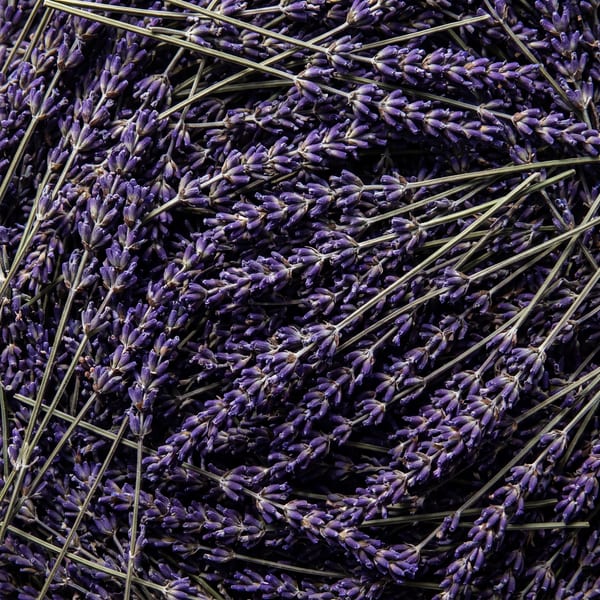
Lavender
Lavandula angustifolia
From Provence to Tihany, its scent stands for calm, and it gives RICHTOFIT the unmistakable scent that generations remember.
-
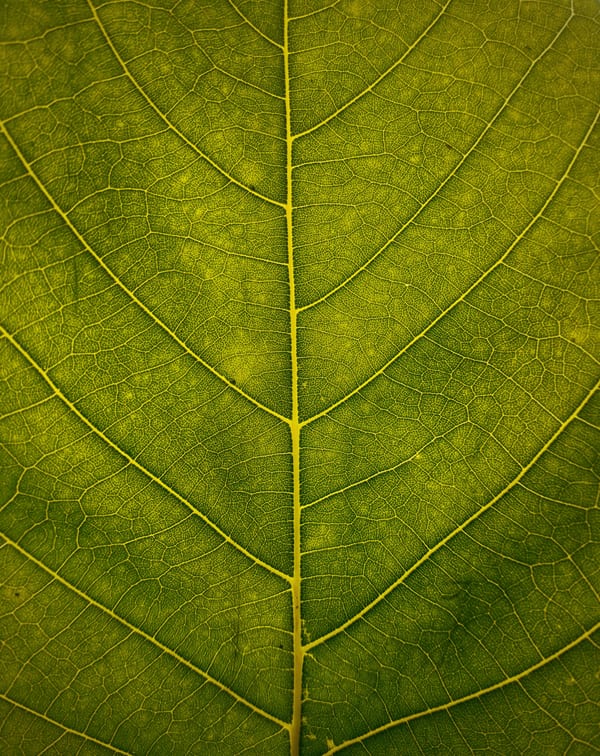
Walnut leaf
Juglans regia
Complex 7 Formula contains an extract of the leaf, not of the walnut kernel. The leaves are gathered in midsummer.


